

Europeans are almost out of power! This is by no means alarmist.
In the recent past, electricity prices across Europe have hit record highs. The market changes have made people jaw-dropping, and the blows are sudden. Not only are consumers unacceptable, but governments around the world are also caught off guard.
In Spain and Portugal, the average wholesale electricity price at the beginning of September was about three times the average price six months ago, at 175 euros per MWh; the Dutch TTF wholesale electricity price was 74.15 euros per MWh, higher than in March 4 times; the UK electricity price has hit a record high of 183.84 euros, only more expensive, not the most expensive.
Since nearly half of Britain’s electricity depends on natural gas, energy-intensive industries such as steel and chemical industries can no longer afford high electricity prices; two other fertilizer companies plan to close their plants in the winter. The closure or reduction of fertilizer plants will trigger a series of chain reactions. , And even endanger the production of the food industry.
The crisis is imminent. The EU ministerial meeting held in late September specifically discussed the soaring prices of natural gas and electricity to seek countermeasures. The ministers agreed that the current "critical juncture" was at a critical juncture and attributed the abnormality of the 280% increase in natural gas prices this year to a series of factors, such as low natural gas storage levels, limited supply in Russia, low renewable energy production, and large volumes under inflation. Commodity cycle, etc. It is estimated that the European Commission will not be able to come up with an effective response plan for a while.
The biggest question is whether the European electricity price spike is a temporary phenomenon related to a series of one-off events, or is it a sign of deeper problems as the EU goes through the energy transition? The reality is that renewable energy cannot yet fill the gap in energy demand. As of 2020, European renewable energy has generated 38% of the EU's electricity, surpassing fossil fuels for the first time in history, becoming Europe's main source of electricity. However, even in the most favorable weather conditions, wind and solar energy cannot generate enough electricity to meet 100% of the annual demand.
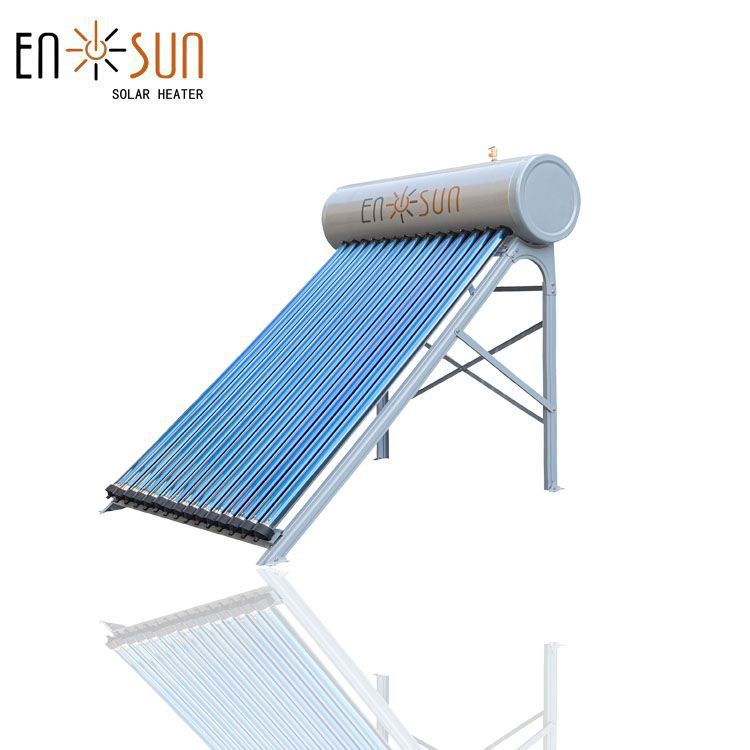
heat pipe solar water heater
work below and up 0℃
suitable for Europe countries
quality ensured with Keymark tuv


