


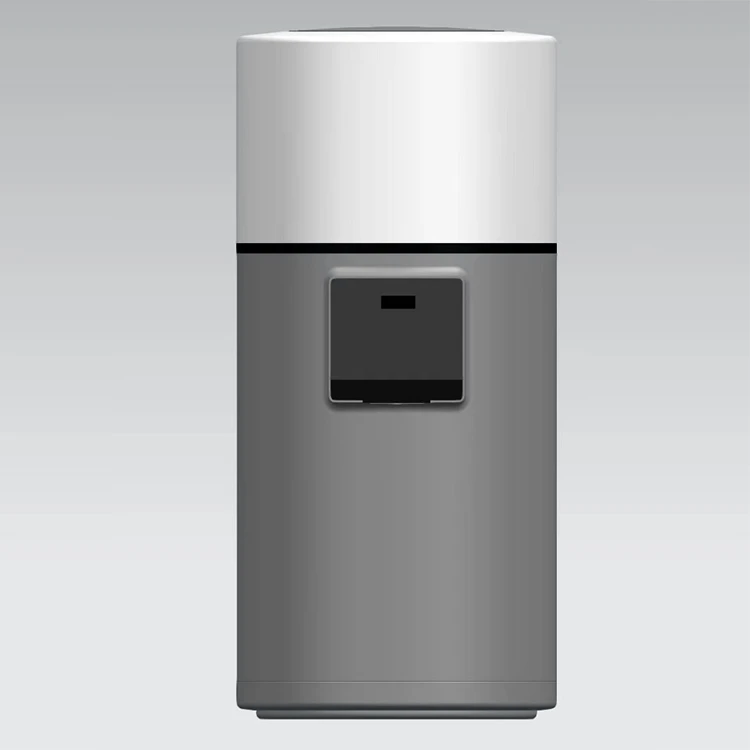
PV Panel Water Heater
Definition and core principle
The photovoltaic solar water heater (PV Solar Water Heater) is a system that uses photovoltaic (PV) cells to convert solar energy into electrical energy and then heats water through electrical heating. Unlike traditional solar water heaters (photothermal type), it does not directly use solar thermal energy, but achieves heating through two steps of "photoelectric conversion + electrical heat conversion".
Working principle process:
Photovoltaic power generation: Solar panels absorb sunlight and generate direct current (DC).
Electrical energy conversion:
Direct heating: DC current drives the resistance heating rod (DC heating element) to directly heat the water in the water tank.
Indirect heating: Convert DC to alternating current (AC) through an inverter to drive a traditional electric water heater or heat pump.
Heat storage and regulation: Hot water is stored in an insulated water tank, and the intelligent controller allocates electricity on demand (such as giving priority to photovoltaic power and switching to the grid when it is insufficient).

Core components and technology classification
|
COMPONENT |
FUNCTION |
|
PV PANEL |
Power generation core, monocrystalline silicon/polycrystalline silicon efficiency 15-24%, need to match heating power |
|
INVERTER |
Converts DC power to AC power, suitable for conventional AC heating equipment |
|
HEATING DEVICE |
- Resistance heating rod (100% efficiency) - Air energy/ground source heat pump (200-400% efficiency) |
|
STORAGE TANK |
Intelligently control photovoltaic power generation, power storage, and grid switching to optimize energy utilization |
|
TECHNOLOGY CLASSIFICATION |
Pure photovoltaic direct heating type: no inverter, DC directly drives the heating rod, suitable for off-grid scenarios (such as mountainous areas and rural areas). Photovoltaic + heat pump type: photovoltaic power drives the heat pump, which is 3-4 times more efficient than resistance heating and suitable for home and business. Grid-connected hybrid type: photovoltaic and grid complement each other, solar energy is used first on sunny days, and the grid is automatically switched on rainy days. |
3. Comparison of core advantages and disadvantages
✅ Advantages:
Flexible installation: no need for direct sunlight on the hot water pipes, detachable design (photovoltaic panels on the roof, water tanks indoors).
Anti-freeze and anti-scale: no freezing and cracking of water pipes or scale blockage problems of traditional solar thermal systems.
Energy reuse: can be connected to the home photovoltaic system, generate electricity and supply hot water during the day, and use the surplus electricity for self-use or sell electricity to the grid.
Low maintenance: no liquid circulation pump, antifreeze and other vulnerable parts, low maintenance cost.
❌ Disadvantages:
Low energy efficiency: photoelectric conversion (15-20%) + electric heat conversion (100% or heat pump 300%), the overall efficiency is still lower than that of the solar thermal system (60-70%).
Dependence on energy storage/grid: batteries or grid power supplement is required on rainy days, increasing costs.
High initial investment: the cost of photovoltaic panels + heat pump system is higher than that of traditional solar thermal water heaters.
4. Applicable scenarios and economic benefits
Applicable scenarios:
Household users: Install photovoltaic panels on the roof to meet the daily hot water needs of 3-5-person families (requires 2-4kW photovoltaic + 200L water tank).
Industrial and commercial: Hotels, schools and other places with high hot water demand, combined with heat pumps can reduce energy consumption by 60%.
Off-grid areas: Rural areas or outdoors without power grids, with energy storage batteries to achieve all-weather hot water supply.
Economic calculation (taking China as an example):
Cost: 5kW photovoltaic system (including heat pump) is about 20,000-30,000 yuan, with a service life of 20 years.
Savings: Annual electricity bill reduction of 3,000-5,000 yuan (assuming an electricity price of 0.6 yuan/kWh), with a payback period of 5-8 years.
5. Market prospects and development trends
Policy drivers:
China: Under the "dual carbon" goal, photovoltaic water heaters are included in the scope of green building subsidies.
EU: REPowerEU plans to promote the combination of solar energy + heat pumps, with a goal of installing 10 million units by 2030.
Technology trends:
Integrated photovoltaic and thermal storage: photovoltaic + energy storage battery + heat pump, to achieve off-grid fully automatic hot water system.
Intelligent control: AI predicts weather and water usage habits, dynamically adjusts heating strategies.
Material upgrade: Perovskite photovoltaic panels (efficiency 30%+) reduce unit power generation costs.
Market forecast:
The global photovoltaic water heater market is expected to grow at an annual rate of 12% (2023-2030), with a scale of more than US$5 billion in 2030.
Main growth areas: China, Europe, Southeast Asia (power-deficient areas).
6. Comparison with traditional solar water heaters
|
Comparison Items |
Photovoltaic solar water heater |
Traditional solar thermal water heater |
|
EFFICIENCY |
Photovoltaic + electric heating comprehensive efficiency is about 30-50% |
Direct photothermal conversion efficiency 60-70% |
|
INSTALLATION |
Photovoltaic panels can be placed away from water tanks and adapted to complex roofs |
The water tank and collector should be installed close to each other |
|
ANTI-COLD |
No risk of freezing and cracking, suitable for cold areas |
Antifreeze is required in cold areas, and maintenance is complicated |
|
COST |
The initial investment is high, but it can generate electricity for self-use |
Low initial cost, but no additional power generation benefits |
|
SCALABILITY |
Easy to connect to home photovoltaic system, strong scalability |
Single function, difficult to integrate other energy sources |
7. User selection suggestions
Prioritize photovoltaic water heaters: If you already have or plan to install a home photovoltaic system, pursue multifunctional expansion (power generation + hot water).
Prioritize solar thermal water heaters: Only low-cost hot water is needed, and there is sufficient sunlight and mild winters (such as South China).
Hybrid solution: photovoltaic + solar thermal dual system, use solar thermal on sunny days and photovoltaic on cloudy days to maximize energy efficiency.
Summary
Photovoltaic solar water heaters are becoming a strong competitor to traditional water heaters due to their advantages of flexible installation, low maintenance, and energy reuse. Although the initial cost is high, as the cost of photovoltaic and energy storage technologies decreases, their economic benefits will gradually become more prominent. In the future, driven by policy support and technological innovation, the integrated model of photovoltaic + heat pump + energy storage may become the mainstream solution for household and industrial and commercial hot water supply.
Hot Tags: pv panel water heater, China pv panel water heater suppliers, manufacturers, factory
You Might Also Like



Send Inquiry